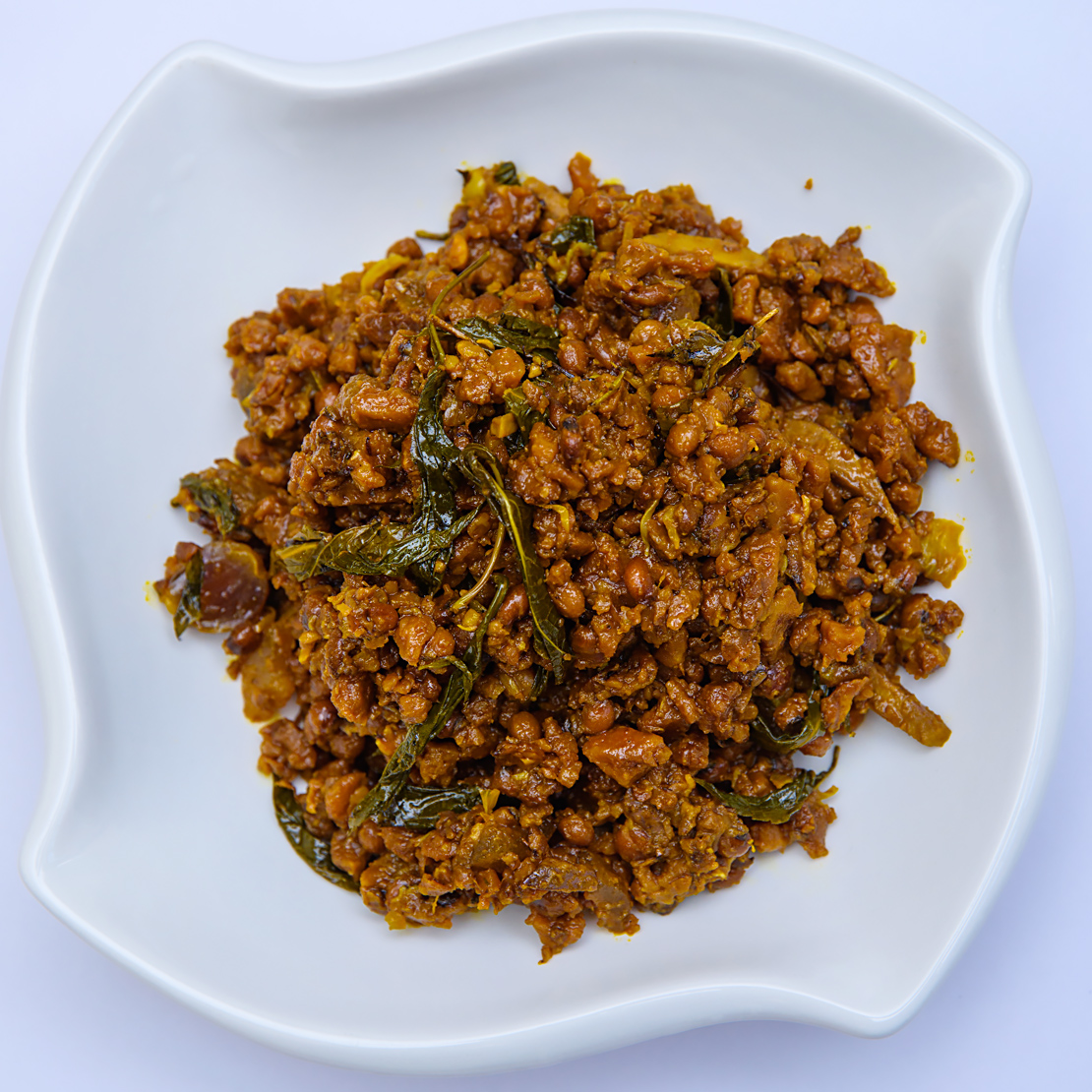
Long before packaged foods and refrigerators became household staples, Igbo communities in South-Eastern Nigeria had already mastered the art of preserving food through sun-drying, fermentation, and careful processing. Achicha; a delicacy made from dried, processed cocoyam, is one of the finest examples of this ingenuity. It's a dish that tells a story of resourcefulness, community, and cultural identity, and one that deserves to be understood, celebrated, and preserved for generations to come.
In this article, we trace Achicha's roots, its place in Igbo communal life, the reasons this heritage dish is at risk of disappearing, and how modern, hygienically packaged versions are helping keep it alive, both at home and for the Nigerian diaspora.
A Dish Rooted in Resourcefulness
Achicha traces back to traditional Igbo food-preservation practices, developed at a time when refrigeration simply didn't exist. Cocoyam, a starchy root crop abundant across South-Eastern Nigeria, was harvested, peeled, sliced, and carefully smoke-dried over several days.
This drying process removed moisture and dramatically extended the crop's shelf life, allowing households to store cocoyam well beyond its natural harvest season and guard against scarcity during leaner months. What began as a practical necessity, a way to make the most of a seasonal harvest evolved into something more.
The dried cocoyam took on a distinct texture and flavour of its own, different from fresh cocoyam, and communities began to prepare it deliberately for its taste rather than out of necessity alone. Over time, Achicha shifted from a preservation technique into a delicacy in its own right, prized for the same qualities that once made it a survival food: its heartiness, versatility, and satisfying texture.
This is a pattern seen across many of the world's great traditional foods dishes born from resourcefulness that go on to earn a permanent place at the table long after the original need for preservation has passed.
A Staple of Communal and Festive Meals
Achicha has traditionally featured prominently at family gatherings and festive occasions across Igbo communities. It is most commonly prepared alongside ugba (oil bean seed), combined with a rich, palm-oil-based dressing to create a dish that is as much about texture and flavour as it is about the company it's shared in.
Because preparing Achicha traditionally required time; soaking, softening, and carefully combining it with other ingredients, it was rarely a solitary, rushed meal. It was, and often still is, a dish prepared in larger quantities and shared among family members, neighbours, and guests during celebrations such as weddings, title-taking ceremonies, New Yam festivals, and other communal events.
This communal dimension is central to understanding Achicha's cultural weight. In many Igbo households, the dish is inseparable from memories of extended family visits, festive kitchens filled with the aroma of palm oil and spices, and the particular satisfaction of a meal made to be shared rather than eaten alone. For many Nigerians, the taste of Achicha and ugba is tied less to the ingredients themselves and more to the gatherings where it was served.
Why This Heritage Is at Risk
Despite its cultural significance, Achicha faces a quiet but real risk of fading from everyday life. As urbanisation accelerates across Nigeria and Western convenience foods become more accessible and heavily marketed, younger generations are increasingly drawn toward faster, more familiar alternatives; fast food, and other quick-prep meals that don't require the time or traditional knowledge that dishes like Achicha demand.
Several factors are compounding this shift:
Time scarcity: Traditional preparation methods for Achicha; sourcing quality cocoyam, drying it properly, and preparing it correctly take considerably longer than modern convenience foods, making it a less practical choice for busy urban households.
Knowledge gaps: As fewer people prepare Achicha at home, the traditional knowledge of how to select, soak, and season it correctly is at risk of not being passed down to the next generation.
Market inconsistency: Achicha bought loose in open markets varies widely in quality, drying consistency, and hygiene standards, which can discourage younger, more health-conscious consumers from trying it in the first place.
Diaspora disconnection: Nigerians living abroad often have little to no access to genuine, well-processed Achicha, cutting off an entire generation of the diaspora from a dish tied closely to home and heritage.
Left unaddressed, these pressures risk turning Achicha into an occasional nostalgia dish rather than the living, regularly-cooked staple it once was remembered fondly, but cooked less and less with each passing generation.
Preserving Tradition Through Modern Convenience
The solution to this isn't to abandon convenience. It is to bring modern standards of hygiene, consistency, and accessibility to a genuinely traditional product, without compromising on authenticity. Making Achicha available in a convenient, hygienically packaged format isn't a departure from tradition; it's a way of keeping the dish alive for people who no longer have easy access to traditional processing methods, including the diaspora.
Professionally processed and packaged Achicha addresses the exact pressures threatening the dish's survival:
Consistency: Controlled drying and processing standards mean the same reliable texture and quality every time, removing the guesswork that comes with open-market sourcing.
Hygiene: Sealed, hygienic packaging protects against contamination during storage and transport a critical reassurance for health-conscious buyers who might otherwise avoid the dish entirely.
Accessibility: Online ordering and nationwide (or international) delivery means Achicha is no longer limited to those with direct access to a local market that stocks it, or the time to source and prepare it from scratch.
Cultural continuity: By removing the friction of traditional preparation while preserving the authentic taste and method, packaged Achicha makes it realistic for younger, busier generations and the diaspora to keep this dish part of their regular diet, not just an occasional memory.
In this sense, premium packaged Achicha isn't a modern substitute for tradition, it's a vehicle for preserving it. It allows a dish rooted in resourcefulness and community to continue being cooked, shared, and passed down, simply adapted to fit the realities of modern life.
Frequently Asked Questions
What is Achicha made from? Achicha is made from cocoyam (Nkasi/Ede) that has been peeled, sliced, and dried to extend its shelf life and develop its distinctive texture and flavour.
Shop URCH Foods' Premium, Hygienically Packaged Achicha →