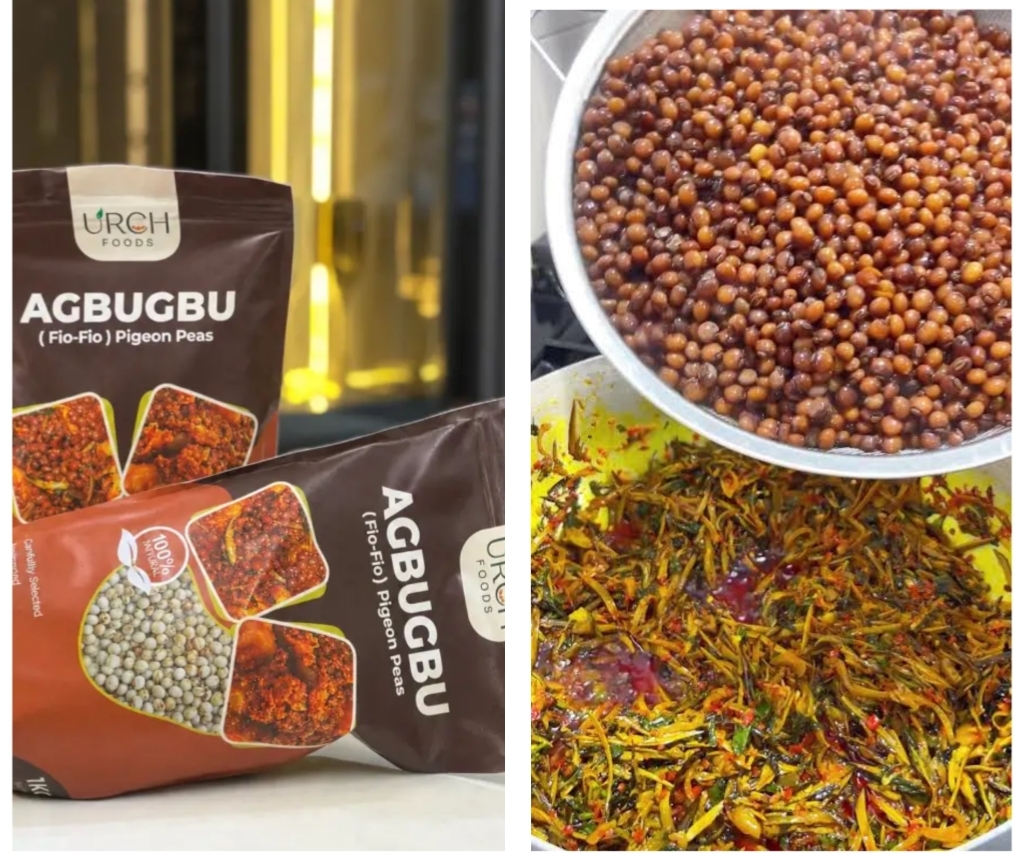
If you grew up in southeastern Nigeria, especially in Enugu State, you probably know local delicacies like Ugba, Abacha, Agbugbu, Okpa and Achicha.
These foods are part of the region's food culture, and Agbugbu, also known as Fio-Fio, is one of them.
Agbugbu is a traditional Igbo food made from pigeon peas. You can enjoy it in different ways, including Agbugbu na Ji (Agbugbu and yam), Agbugbu na Achicha and Agbugbu na Abacha.
Whether you are hearing about Agbugbu for the first time or want to learn more about it, this article covers what Agbugbu is, its English name, nutritional value, health benefits and different ways to enjoy it.
What Is Agbugbu (Fio-Fio)?
Agbugbu, popularly known as Fio-Fio, is the Igbo name for pigeon pea. It is an edible legume with the scientific name Cajanus cajan.
Pigeon peas are small, round or oval-shaped seeds that grow inside pods. They come in different colours, including cream, brown, reddish-brown and speckled varieties.
Like other legumes, Agbugbu contains plant-based protein, dietary fibre and important minerals. The dried seeds are usually boiled until soft before they are eaten.
In southeastern Nigeria, particularly Enugu and Nsukka, Agbugbu is a familiar part of traditional Igbo cooking. People often prepare it with palm oil, pepper, onions, crayfish, Ugba (Ukpaka) and other ingredients.
You can eat it on its own or serve it with yam, cocoyam, Achicha, Abacha or plantain.
What Is Agbugbu Called in English?
Agbugbu is called pigeon pea in English. Its scientific name is Cajanus cajan.
Agbugbu is also known by other names in different parts of the world, including:
- Congo pea
- Red gram
- Gungo pea
- Pigeon pea
In Igbo, it is commonly called Agbugbu or Fio-Fio.
Although people sometimes describe it as a type of local bean, pigeon pea is different from cowpea, kidney beans and Bambara groundnut.
Others Also Read: What Is Akidi? Everything to Know Before Cooking
Origin of Agbugbu (Fio-Fio)
Agbugbu, also called Fio-Fio, is a popular traditional food in Enugu and Nsukka, where many families have enjoyed it for generations.
Although Agbugbu is very popular in Igbo communities, the pigeon pea plant originally came from India before spreading to other parts of the world, including Africa.
Today, it grows in many African and Asian countries. The plant does well in warm climates and can tolerate relatively dry conditions.
In Igbo homes, especially in Enugu State, people prepare Agbugbu with ingredients like palm oil, Ugba (Ukpaka), pepper, crayfish and dried fish.
You can also enjoy Agbugbu with yam, Achicha or Abacha. Agbugbu na Ji and Agbugbu na Achicha are particularly popular combinations in the area. It is also served at traditional gatherings and special occasions.
Nutritional Value of Agbugbu
If you're wondering what Agbugbu gives your body when you eat it; Agbugbu is a good source of plant-based protein, carbohydrates and dietary fibre. It also contains minerals such as calcium, iron and zinc.
According to the FAO/INFOODS Food Composition Table for Western Africa, 100g of dried pigeon peas contains approximately:
- Protein: 20.8g
- Carbohydrates (available): 41.6g
- Dietary fibre: 21g
- Fat: 2.1g
- Calcium: 121mg
- Iron: 4.5mg
- Zinc: 2.49mg
- Folate: 340µg
- Energy: 311 kcal
These figures are for dried pigeon peas, not cooked Agbugbu. The values change after cooking because the seeds absorb water.
Its protein, fibre and mineral content make it a useful addition to a balanced diet.
What Are the Health Benefits of Eating Agbugbu?
As a human being, especially a Nigerian, before you eat anything you ask yourself “how does this food benefit my health generally?"
So, if you've eaten Agbugbu before or about to eat it for the first time, you deserve to know how the food is beneficial to your health.
Agbugbu contains nutrients that support different functions in the body. Some of the benefits of eating it include:
- Provides plant-based protein.
- Supports healthy digestion.
- Provides energy.
- Can support heart health as part of a balanced diet.
- Supplies important minerals such as iron, calcium and zinc.
- Contains natural antioxidant compounds.
Here is how these nutrients benefit the body.
1. Provides Plant-Based Protein
Agbugbu is a good source of plant-based protein. Protein helps the body build and repair tissues, maintain muscles and produce important enzymes and hormones.
It is a useful food choice if you want to include more plant protein in your diet or reduce how much animal protein you eat.
2. Supports Healthy Digestion
Agbugbu contains dietary fibre, which supports digestion and normal bowel movements.
Eating fibre-rich foods can help prevent constipation, especially when you drink enough water and include fruits, vegetables and whole grains in your diet.
3. Provides Energy
Agbugbu contains carbohydrates, which the body uses for energy.
You can combine it with foods like yam, rice or plantain to make a filling meal. Its protein and fibre content also help you feel full.
4. Supports Heart Health
Pigeon peas contain dietary fibre and are naturally low in fat. Eating legumes regularly as part of a balanced diet can support heart health.
Fibre can help reduce cholesterol absorption in the digestive system. How you prepare Agbugbu also matters, so pay attention to the amount of palm oil and salt you use.
5. Provides Important Minerals
Agbugbu contains minerals that the body needs to function properly, including:
- Iron: Helps the body produce haemoglobin, which carries oxygen in the blood.
- Calcium: Supports strong bones and teeth and helps muscles function properly.
- Zinc: Supports the immune system, wound healing and normal growth.
6. Contains Antioxidant Compounds
Pigeon peas contain natural plant compounds, including polyphenols and other antioxidants. These compounds are studied for their role in protecting cells against oxidative stress.
Some studies have also investigated the anti-inflammatory and antimicrobial properties of pigeon pea extracts. However, this does not mean that eating Agbugbu can treat infections, diabetes, cancer or other diseases.
You should enjoy it as part of a balanced diet, not as a replacement for medical treatment.
Popular Ways to Enjoy Agbugbu (Fio-Fio)
There are different ways to prepare and eat Agbugbu. Some popular combinations, especially in southeastern Nigeria, include:
- Agbugbu na Ji (Agbugbu and yam)
- Agbugbu na Achicha
- Agbugbu na Abacha
- Agbugbu with boiled or fried plantain
- Agbugbu with rice
- Plain Agbugbu with fish and other garnishes
Here is a little more about these combinations.
1. Agbugbu na Ji (Agbugbu and Yam)
Agbugbu na Ji is a combination of cooked pigeon peas and yam. You can prepare the Agbugbu with palm oil, pepper, onions, crayfish and your preferred seasoning. Boil the yam separately and serve it alongside the Agbugbu or mix the two together.
2. Agbugbu na Achicha
Agbugbu na Achicha is a popular traditional meal, especially in Enugu and Nsukka.
Achicha is made from dried cocoyam, which is processed into small flakes or pieces. It is cooked until soft and combined with Agbugbu and a palm oil sauce.
You can also add Ugba, pepper, onions, crayfish, smoked fish or stockfish.
Read more about Achicha and how it is prepared.
3. Agbugbu na Abacha
You can also enjoy Agbugbu with Abacha, which is made from processed cassava.
Cook the Agbugbu until soft and prepare your usual Abacha sauce. Add the softened Abacha and cooked Agbugbu, then mix properly. You can include Ugba, garden egg, fish or other ingredients you enjoy.
4. Agbugbu with Plantain
Boiled or fried plantain goes well with Agbugbu. You can serve the plantain alongside Agbugbu prepared with palm oil, pepper and other ingredients.
Ripe plantain adds a little sweetness to the meal.
5. Agbugbu with Rice
Agbugbu can also be eaten with boiled white rice. Prepare the pigeon peas with your preferred sauce and serve them with the rice.
6. Plain Agbugbu with Fish and Other Garnishes
You do not always need another staple food to enjoy Agbugbu. You can eat it on its own after cooking it with palm oil, pepper, onions, crayfish and Ugba.
Smoked fish, stockfish and kpomo are also good additions.
Ingredients Used in Preparing Agbugbu
You do not need complicated ingredients to prepare Agbugbu. Most of what you need can be found in a Nigerian kitchen.
Depending on how you want to prepare it, you may need:
- Agbugbu (Fio-Fio or pigeon peas): The main ingredient. Sort and wash the seeds before cooking.
- Palm oil: Gives the meal its colour and flavour.
- Onions: Add flavour to the sauce.
- Fresh pepper: Gives the meal its heat.
- Ugba (Ukpaka): Adds its familiar traditional taste.
- Crayfish: Adds a savoury flavour.
- Scent leaves or Utazi: Add fragrance and extra flavour.
- Salt and seasoning cubes: For seasoning.
- Smoked fish or stockfish: Optional, but they add more flavour.
Some people use potash when cooking hard pigeon peas, but it is not compulsory.
How to Prepare Agbugbu na Achicha
Agbugbu na Achicha is one of the ways to enjoy this traditional Igbo meal. You will need dried Agbugbu, Achicha, palm oil, Ugba, crayfish, pepper, onions and your preferred seasoning.
The basic preparation involves these steps:
- Sort and wash the Agbugbu.
- Cook the Agbugbu until the seeds are soft.
- Prepare the Achicha according to the type you have.
- Prepare your palm oil sauce with onions, pepper, crayfish and seasoning.
- Add the Ugba and any fish or other ingredients you want to use.
- Combine the cooked Agbugbu and Achicha with the sauce.
- Stir properly and allow everything to heat through.
For the full ingredient measurements and cooking instructions, read our step-by-step Agbugbu na Achicha recipe.
How to Store and Preserve Agbugbu
How you store Agbugbu depends on whether it is dried, fresh or already cooked.
If you don't store very well, you may not enjoy your Agbugbu the next time you cook it.
How to Preserve Dried Agbugbu
Dried Agbugbu can last for several months when stored properly.
How to store dried Agbugbu properly;
- Remove stones, damaged seeds and visible insects.
- Make sure the seeds are completely dry.
- Put them in a clean, airtight container or food-storage bag.
- Keep the container in a cool, dry place away from direct sunlight.
- Check the seeds occasionally for insects, moisture or mould.
Properly dried Agbugbu can keep for about a year under suitable storage conditions, although its quality may gradually decline.
Buy original Agbugbu with no preservatives.
How to Preserve Fresh Agbugbu
Fresh pigeon peas do not last as long as dried seeds. If you have fresh Agbugbu, you can preserve it in the freezer.
- Remove the seeds from their pods.
- Sort and wash them.
- Blanch briefly in boiling water.
- Transfer them into cold water.
- Drain properly and divide into freezer-safe bags or containers.
- Store in the freezer.
Pack them in smaller portions so you can take out only what you need.
How to Store Cooked Agbugbu
If you have leftover cooked Agbugbu, you can keep it for another meal.
- Allow it to cool briefly.
- Divide it into smaller portions.
- Transfer it into clean, airtight containers.
- Refrigerate within two hours of cooking.
- Eat refrigerated portions within 3–4 days.
- Freeze any portion you want to keep for longer.
When you are ready to eat it, reheat thoroughly until steaming hot.
Where Can You Buy Agbugbu in Nigeria?
If you live in Enugu or Nsukka, you may find Agbugbu in local food markets. But if you live outside southeastern Nigeria or abroad, getting properly sorted and packaged pigeon peas may not be as easy.
At URCH Foods, you can order Agbugbu and other traditional Nigerian food ingredients without having to visit a local market.
Whether you are in Lagos, Abuja, Port Harcourt, Akwa Ibom, Uyo, Kaduna or another part of Nigeria, you can order online and have your food items delivered.
You can also order if you live abroad, including in the UK, US or Dubai.
URCH Foods offers neatly picked and packaged Agbugbu for your cooking needs. Whether you want to prepare Agbugbu na Achicha, Agbugbu na Ji or another meal, you can get the ingredients you need.
Shop Local Nigerian food ingredients at URCH Foods.
Conclusion
Agbugbu, also known as Fio-Fio, is pigeon pea, a legume commonly enjoyed in Igbo homes, especially in Enugu and Nsukka.
You can prepare it in different ways, including Agbugbu na Ji, Agbugbu na Achicha and Agbugbu na Abacha. It also provides plant-based protein, fibre, iron, calcium and other nutrients.
If you want to prepare this local delicacy at home, you can order neatly picked and packaged Agbugbu from URCH Foods and have it delivered to your doorstep.