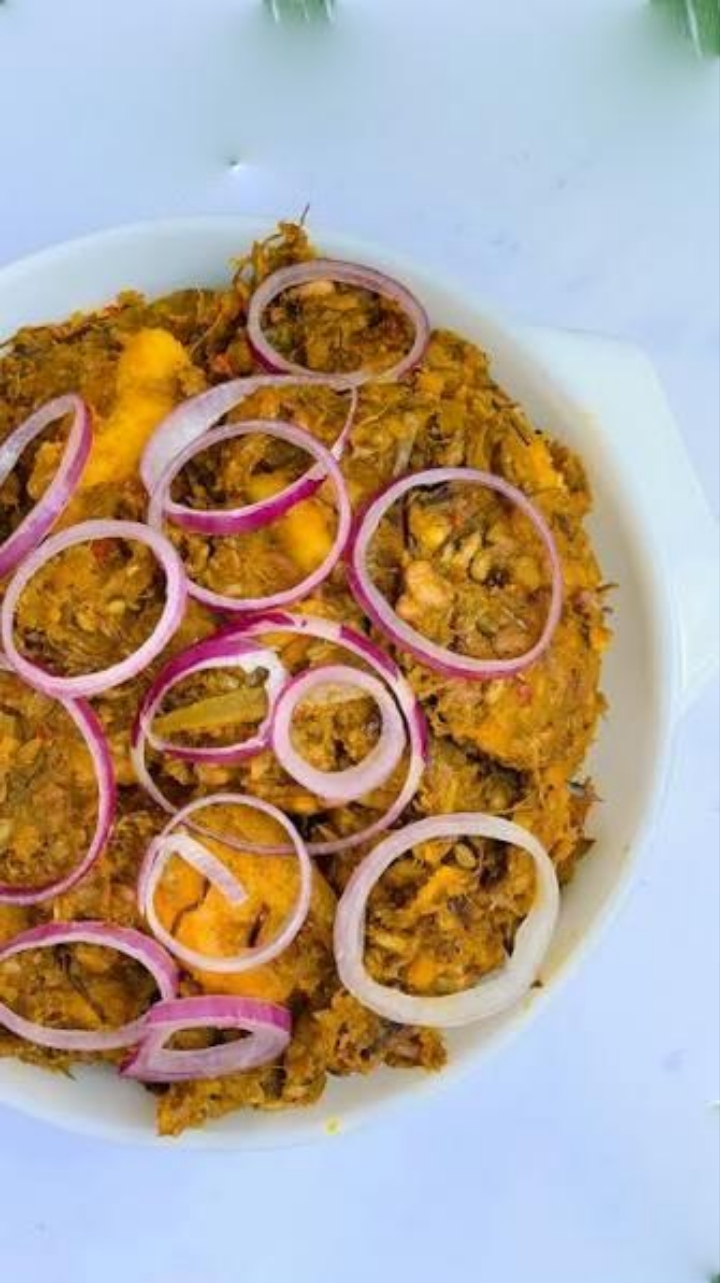
If you've eaten Akidi na Ji before, you already know how good a pot of well-cooked Akidi and yam can taste.
The Akidi should be soft, the yam should hold its shape, and the palm oil, pepper and onions should bring everything together.
Akidi na Ji is a traditional southeastern Nigerian meal made with Akidi and yam. People prepare it in different ways, but the basic ingredients are simple. You can also add crayfish, ugba or vegetables if you want more flavour.
In this blog, I'll show you how to cook Akidi and yam at home, the ingredients you need, how to prepare dried and fresh Akidi, and what to do if your Akidi takes a long time to soften.
Buy well-processed and packaged Akidi Oji from Urch Foods now, enjoy discount today.
What Is Akidi na Ji?
Akidi na Ji is a traditional Igbo dish made with Akidi beans and yam. The name describes the two main ingredients: Akidi and Ji, which means yam.
Akidi is a local legume commonly eaten in southeastern Nigeria. It is a traditional variety of cowpea with small seeds that may be black or reddish-brown.
You can prepare Akidi on its own with palm oil, pepper and onions. You can also cook it with yam to make Akidi na Ji.
Akidi is sometimes called cowpea or black beans in English. However, it is important not to confuse it with fio-fio. Fio-fio is pigeon pea, while Akidi belongs to the cowpea group.
Ingredients for Akidi and Yam
You don't need plenty of ingredients to prepare Akidi na Ji. The Akidi and yam provide the main ingredients, while the other items add flavour.
For a pot of akidi na ji that serves about 4 people, you'll need:
- 2 cups of dried Akidi Oji
- 1 medium tuber of yam, or about half a large tuber
- ⅓ cup of red palm oil
- 1 medium onion
- 2 fresh peppers, or as much as you prefer
- 2 tablespoons of ground crayfish (optional)
- A small wrap of ugba (optional)
- A handful of ugu or another suitable leafy vegetable (optional)
- Salt to taste
- Seasoning cube (optional)
- Water for cooking
You can adjust the quantities depending on how many people you're cooking for.
Bear in mind, traditional Akidi na Ji does not need plenty of seasoning. Palm oil, pepper, onions and salt give it a lovely flavour. Add crayfish, ugba or vegetables if you enjoy them, but don't feel you must use everything.
Full Akidi Recipe: Ingredients, Methods, Time
How to Prepare Akidi and Yam Step-by-Step
Dried Akidi takes longer to cook than yam, so you need to start with the Akidi if you're using the dried one (Akidi Oji). Don't add your yam at the beginning. If you do, the yam may become too soft before the Akidi finishes cooking.
Follow these steps carefully to prepare a delicious pot of Akidi and Yam (Akidi na ji):
Step 1: Sort and wash the Akidi
Spread the dried Akidi on a tray or flat plate and pick through it carefully. If you got your Akidi Oji from Urch Foods, you can skip the picking because it's already been done for you.
Remove:
- Small stones
- Dirt and other unwanted particles
- Damaged or shrivelled seeds
Pour the clean Akidi into a bowl, add water and wash it thoroughly. Drain the water and repeat until it looks clean.
Step 2: Soak the dried Akidi
Put the washed Akidi in a bowl and cover it with enough clean water.
Leave it to soak for at least 5 hours. If you have enough time, soak it overnight. The best option is to soak the overnight.
Soaking helps the dried seeds absorb water and can reduce the time they spend cooking.
After soaking, drain the water and rinse the Akidi again.
Step 3: Cook the Akidi until it softens
Pour the soaked Akidi into a cooking pot. Add enough fresh water to cover the seeds properly.
Put the pot on the fire and allow the Akidi to cook.
Check the water from time to time. If it becomes too low before the Akidi softens, add more hot water.
Dried Akidi can take a while to cook. Depending on how old and dry the seeds are, it may take well over an hour to become tender.
Don't add the yam yet. First, check a few seeds to see whether they have softened.
You should be able to bite through the Akidi without struggling. It should feel tender, not hard in the middle.
Step 4: Peel and cut the yam
While the Akidi is cooking, prepare your yam.
- Peel off the yam skin.
- Cut the yam into medium-sized pieces.
- Wash the pieces properly.
- Keep them in clean water until you're ready to use them.
Don't cut the yam too small. You want the pieces to remain visible in the finished meal rather than dissolve into the pot.
Step 5: Add the yam to the Akidi
Once the Akidi has softened, add the washed yam pieces to the pot.
Check the water level. Add a little more hot water if necessary. You need enough water to cook the yam, but you don't want the food swimming in too much water.
Cover the pot and allow the yam to cook.
Check it after a few minutes. When a fork or knife passes through the yam easily, it is ready.
Be careful not to overcook it. You want soft yam pieces that still hold their shape.
Step 6: Prepare the palm oil and pepper mixture
While the yam cooks, prepare the ingredients for your sauce.
- Slice the onions.
- Grind or blend the fresh pepper.
- Measure your crayfish if you're using it.
- Wash and slice your ugba or vegetables if you want to add them.
Place another pot or saucepan on the fire. Add the palm oil and allow it to warm gently.
Add the sliced onions and pepper. Stir for a few minutes.
Add the crayfish, salt and seasoning cube if you're using one. Stir everything together and allow the ingredients to cook briefly.
If you're adding ugba, you can add it to the palm oil mixture as well.
You don't need to bleach the palm oil. Just warm it gently and combine it with the other ingredients.
Step 7: Combine the Akidi, yam and sauce
Check the yam and Akidi again. Once both have cooked properly, add the palm oil mixture to the pot.
Stir gently so the sauce reaches the Akidi and yam. Be careful not to break the yam pieces.
If you want to add ugu or another leafy vegetable, add it towards the end. Stir and allow it to cook briefly.
Taste the food and adjust the salt or pepper if necessary.
If you prefer a thicker consistency, gently mash a few pieces of yam or Akidi into the mixture and stir. This helps thicken the food without adding flour or any other thickener.
Allow everything to simmer for a few more minutes so the ingredients combine properly.
Your Akidi na Ji is ready. Serve while warm and enjoy with chilled Coca-cola drink.
How to Prepare Akidi and Yam with Fresh Akidi
You can also prepare Akidi and yam with fresh Akidi. However, fresh Akidi does not need the same soaking and long cooking process as dried Akidi.
Fresh Akidi usually comes in green pods. You can cook the pods whole or remove the seeds before cooking.
If you're using fresh green Akidi pods, follow these steps to prepare your delicious Akidi and yam:
- Pick through the pods and remove any damaged ones.
- Cut the pods into smaller pieces if you prefer.
- Wash them thoroughly with clean water.
- Cook the yam separately until tender.
- Cook the fresh Akidi until tender. The time will depend on the size and thickness of the pods.
- Prepare your palm oil, pepper, onions and other seasonings.
- Combine the cooked Akidi and yam with the palm oil mixture.
- Stir gently and allow the flavours to come together before serving.
If you're using fresh shelled Akidi seeds(one in the picture below) instead of the green pods, wash and cook the seeds until tender. Don't assume they will cook in exactly the same time as the pods.

The main thing to remember is that fresh Akidi needs less preparation than dried Akidi. You don't need to soak fresh pods overnight.
What Is Akidi Used For?
Akidi is a versatile local food. You can use it in different traditional Nigerian meals, especially southeastern Nigerian dishes.
Here are some ways to enjoy your Akidi beans:
- Akidi na Ji: Cook Akidi with yam to make a filling traditional meal.
- Akidi on its own: Prepare it with palm oil, pepper, onions and salt.
- Akidi with Abacha: Add it to traditional Abacha preparations.
- Akidi with vegetables: Combine it with suitable leafy vegetables and other local ingredients.
Fresh Akidi also features in traditional dishes such as yam pottage and Achicha.
So, if you have a pack of Akidi at home, you have more than one way to prepare it.
Is Akidi the Same as Fio-Fio?
No. Akidi and fio-fio are two different legumes, even though people sometimes group them together when talking about traditional Igbo foods.
Akidi is a traditional cowpea variety while Fio-fio is a Pigeon pea, also known as Agbugbu in Igbo.
Both foods appear in southeastern Nigerian cooking, but they are not the same ingredient. They also have different cooking characteristics.
How Long Does Akidi Take to Cook?
Dried Akidi takes longer to cook than fresh Akidi. The exact time depends on the age, dryness and storage condition of the seeds.
Soaking dried Akidi for several hours or overnight can help it soften faster.
Here are a few things that affect the cooking time if your Akidi:
- How old the seeds are: Older dried Akidi may take longer to soften.
- How dry the seeds are: Very dry seeds may need more time and water.
- Whether you soaked it: Soaking helps prepare the seeds for cooking.
- Your cooking method: A pressure cooker can reduce cooking time.
When cooking, don't rely on the clock alone. Taste a few seeds to check whether they're soft before adding the yam or any other thing you want to add.
Also, avoid adding potash or anything just to make the Akidi cook faster. Allow enough time for it to soften naturally.
Tips for Preparing Tasty Akidi na Ji
When cooking your Akidi na ji, you must understand that there are tricks that can make the difference.
If you are about to prepare a pot of Akidi na ji, follow these tips below to enjoy it better:
- Cook the Akidi first: It takes longer to soften than yam, so give it a head start.
- Soak dried Akidi: This helps reduce cooking time.
- Don't add yam too early: Wait until the Akidi has softened.
- Use good palm oil: Palm oil gives the food its familiar colour and flavour.
- Don't overcook the yam: Cut it into medium-sized pieces and check it as it cooks.
- Use seasoning sparingly: Pepper, onions, palm oil and salt can give the meal enough flavour.
- Add vegetables towards the end: This helps prevent them from becoming too soft.
- Taste before serving: Check the salt, pepper and texture before taking the pot off the fire.
Where to Buy Akidi Oji in Nigeria
If you want to prepare Akidi na Ji, start with good-quality Akidi.
At URCH Foods, we sell neatly processed and packaged Akidi Oji for your traditional meals. You can also buy other local Nigerian foods, including Abacha, Agbugbu, Okpa flour and unadulterated palm oil online.
We deliver across Nigeria and internationally, so you can get the local foods you enjoy wherever you are.
Buy Akidi Oji from URCH Foods and get it delivered to your doorstep.