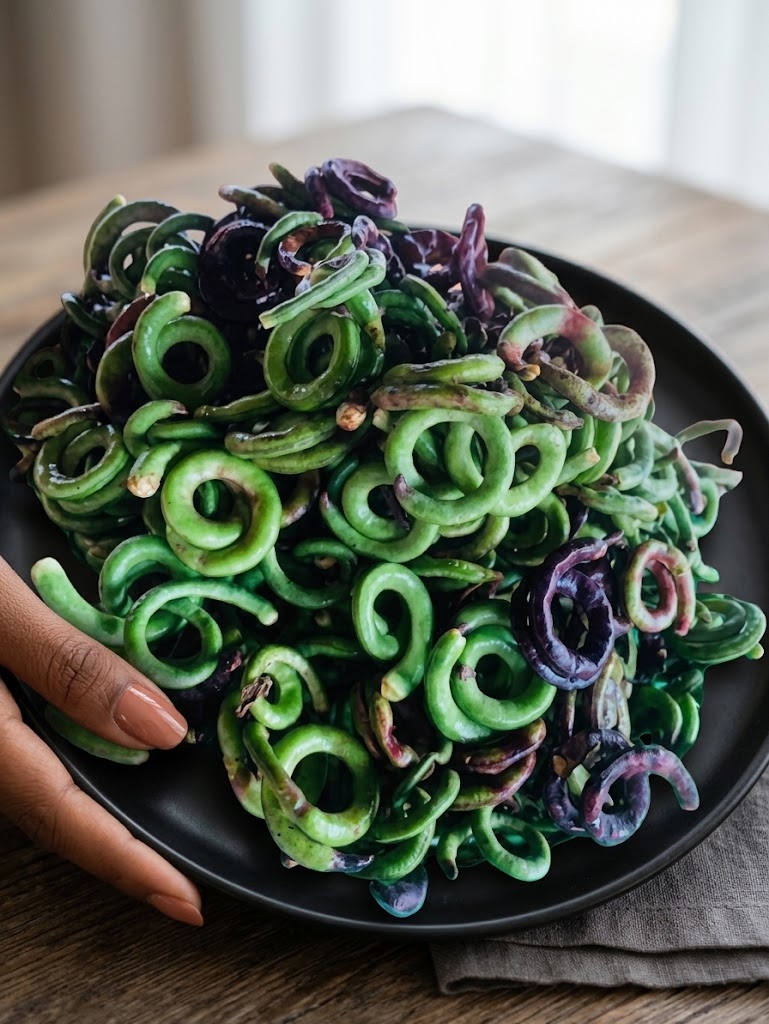
If you grew up eating traditional Igbo food, you may already know Akidi. It is a local legume enjoyed in southeastern Nigeria, especially in different parts of Igboland.
You can prepare it with yam, plantain, palm oil, pepper and other ingredients. You can also enjoy it on its own.
But what exactly is Akidi? Is it the same as regular beans? What is the difference between fresh Akidi and dried Akidi Oji? And what should you know before cooking it?
Whether you're buying Akidi for the first time or looking for new ways to enjoy it, this article reveals everything you need to know about the local Nigerian food.
Read Also: Where to Buy Pure, Unadulterated Red Palm Oil Online
What Is Akidi?
Akidi is a traditional variety of cowpea eaten in southeastern Nigeria. It belongs to the legume family and has small seeds with shiny coats.
You can find Akidi in two main forms:
- Fresh Akidi: Harvested while the pods are still green. You can cook the pods or remove the seeds.
- Dried Akidi Oji: Mature Akidi seeds that have been harvested and dried for storage and cooking.
The seeds come in different colours, including black and reddish-brown.
Akidi has been part of traditional Igbo meals for generations. People use it to prepare dishes such as Akidi na Ji and other local meals.
Fresh Akidi vs Dried Akidi Oji: What Is the Difference?
The main difference between fresh and dried Akidi is how people harvest, store and prepare them.
Here is how to differentiate between fresh akidi and dried akidi oji:
Fresh Akidi
- Usually sold in green pods or as fresh seeds.
- Takes less time to prepare.
- Does not usually require overnight soaking.
- You can cook the pods whole or remove the seeds first.
- Sold as mature, dried seeds.
- Takes longer to cook.
- Benefits from soaking before cooking.
- You need to sort and wash the seeds before putting them on the fire.
Fresh Akidi
Farmers harvest fresh Akidi before the pods dry out. Depending on how you buy it, you may get the green pods or the fresh seeds already removed from the pods.

You can cook the green pods whole or remove the seeds and cook them separately. Just make sure you wash them properly before cooking.
Fresh Akidi does not need the same soaking process as dried Akidi. However, the cooking time depends on whether you're using the pods or the shelled seeds.
Dried Akidi Oji

Akidi Oji is the dried one. The seeds mature before farmers harvest and dry them.
You can store dried Akidi and use it whenever you want to prepare a meal.
Unlike fresh Akidi, dried Akidi takes longer to soften. Soaking it in clean water for several hours or overnight can help reduce the cooking time.
What Does Akidi Taste Like?
Akidi has a distinct taste and texture that makes it different from other beans commonly used in Nigerian meals.
You don't need plenty of ingredients to enjoy it. You can prepare a simple pot of delicious Akidi with:
- Palm oil
- Fresh pepper
- Onions
- Salt
You can also add crayfish, fish, ugba or vegetables, depending on the meal you want to prepare.
Some people prefer to keep the ingredients simple so the natural taste of the Akidi stands out. Others add more ingredients for a richer flavour.
If you're trying Akidi for the first time, start with a simple preparation. You can try other ingredient combinations the next time you cook it.
What Are the Uses of Akidi in Nigerian Cooking?
You don't have to prepare Akidi the same way every time. There are different ways to enjoy it, depending on what you want to eat.
Here are some popular ways to prepare and serve Akidi:
- Akidi na Ji (Akidi with yam)
- Akidi with plantain
- Akidi with Abacha
- Akidi on its own
1. Akidi na Ji (Akidi with Yam)
Akidi na Ji is a traditional combination of Akidi and yam. You cook both ingredients together to make a filling meal.
Prepare it with palm oil, pepper, onions and your preferred seasonings. The yam adds another texture to the dish, while the Akidi and seasonings bring everything together.
2. Akidi with Plantain
Akidi also goes well with plantain. You can use ripe or unripe plantain, depending on what you enjoy.
Cook the plantain separately and serve it with your prepared Akidi. You can also follow a recipe that combines both ingredients.
3. Akidi with Abacha
If you enjoy traditional Igbo foods, you can also try serving Akidi with Abacha. The taste is out of this world.
4. Akidi on Its Own
You don't always need yam or plantain to enjoy Akidi.
Cook it until tender, then prepare it with palm oil, pepper, onions and salt. Add crayfish or other ingredients if you prefer.
Is Akidi Good for You?
Akidi is a legume, just like other beans and cowpeas. Legumes provide plant-based protein and dietary fibre.
Adding Akidi to your meals can help you enjoy a more varied diet. Akidi is very good for you.
What You Should Know Before Cooking Akidi
Before you start cooking Akidi, keep a few things in mind. They will help you prepare it properly and avoid unnecessary delays.
- Know the type you're cooking: Fresh Akidi and dried Akidi need different preparation methods.
- Sort dried Akidi: Check the seeds and remove stones, dirt and other unwanted particles.
- Wash before cooking: Rinse the Akidi properly with clean water.
- Soak dried Akidi: Leave it in clean water for several hours or overnight to help it soften faster.
- Allow enough cooking time: Dried Akidi can take a while to become tender. Start early if you're preparing it for a particular meal.
- Check that it is soft: Taste a few seeds before you take the pot off the fire.
- Prepare your ingredients ahead: Slice your onions, prepare your pepper and measure your other ingredients before you start cooking.
Keep in mind that dried Akidi does not always cook at the same speed. Its age, dryness and storage conditions can affect how long it takes to soften.
Don't rush the process. Give it enough time to cook properly before adding your other ingredients.
How Do I Prepare Akidi?
How to prepare Akidi depends on whether you're using fresh or dried one.
For fresh Akidi, wash the pods or shelled seeds properly and cook until tender. You can then prepare them with palm oil, pepper, onions and your preferred seasonings.
For dried Akidi Oji, sort through the seeds, wash them and soak them for several hours or overnight. Cook until soft before adding your palm oil mixture and other ingredients.
You can also cook Akidi with yam or serve it with plantain.
For the full ingredients and step-by-step instructions, read our guide on how to prepare fresh and dried Akidi.
How to Choose Good Quality Dried Akidi Oji
The quality of the Akidi you buy matters. You want seeds that are properly dried, clean and well packaged.
Before buying, check for these things:
- Clean seeds: The pack should not contain visible dirt, stones or unwanted particles.
- Proper drying: The seeds should be dry and suitable for storage.
- Good packaging: The packaging should protect the Akidi from dirt and moisture.
- Proper handling: Buy from a seller who takes care when processing and packaging local foods.
At URCH Foods, we understand that you want local Nigerian foods you can prepare with confidence. That's why we pay attention to how we process and package our products.
You can buy neatly processed Akidi Oji from URCH Foods and have it delivered to your doorstep. Just soak and cook. You don't need to sort as everything has been done for you.
Where Can I Buy Akidi Oji in Nigeria?
If you're looking for Akidi Oji in Nigeria, you can buy it from URCH Foods.
Urch foods sell neatly processed and packaged local Nigerian foods, including Akidi Oji, Abacha, Agbugbu, Okpa flour and unadulterated palm oil.
We deliver across Nigeria and internationally, so you can enjoy the local foods you love wherever you are.